solar farm mounting brackets: ensuring long-term durability and stability
Jan 15, 2026
Introduction
As the global shift towards renewable energy accelerates, solar farms have emerged as a critical component in the quest for sustainable power generation. These large-scale installations require robust infrastructure to support their long-term operation and efficiency. Solar farm mounting brackets play a vital role in ensuring the structural integrity and durability of these systems. In this article, we will explore how high-quality mounting brackets contribute to the longevity and stability of solar farms, making them an essential investment for solar projects.
H2: The Critical Role of Mounting Brackets
H3: Providing Robust Support for Solar Panels
Solar farm racks are designed to provide a stable and secure foundation for solar panels. These brackets must withstand various environmental challenges, including extreme weather conditions, heavy snow loads, and high winds. By using high-strength materials such as stainless steel, aluminum, and Zn-Al-Mg coated steel, mounting brackets ensure that solar panels remain securely in place, minimizing the risk of damage and maximizing energy production.
H2: Ensuring Long-Term Durability
H3: High-Quality Materials for Extended Lifespan
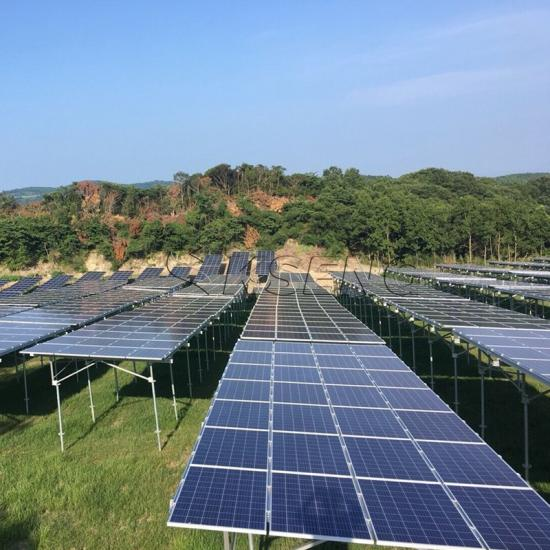 One of the primary reasons solar farm mounts are gaining popularity is their ability to offer long-term durability. High-quality materials like Zn-Al-Mg coated steel and aluminum alloys are chosen for their resistance to corrosion, UV degradation, and other environmental factors. These materials not only extend the lifespan of the mounting system but also reduce the need for frequent maintenance and replacements. By investing in durable mounting brackets, solar farm operators can ensure that their installations remain efficient and reliable for decades.
H2: Enhancing Structural Stability
H3: Reliable Support in Adverse Conditions
One of the primary reasons solar farm mounts are gaining popularity is their ability to offer long-term durability. High-quality materials like Zn-Al-Mg coated steel and aluminum alloys are chosen for their resistance to corrosion, UV degradation, and other environmental factors. These materials not only extend the lifespan of the mounting system but also reduce the need for frequent maintenance and replacements. By investing in durable mounting brackets, solar farm operators can ensure that their installations remain efficient and reliable for decades.
H2: Enhancing Structural Stability
H3: Reliable Support in Adverse Conditions
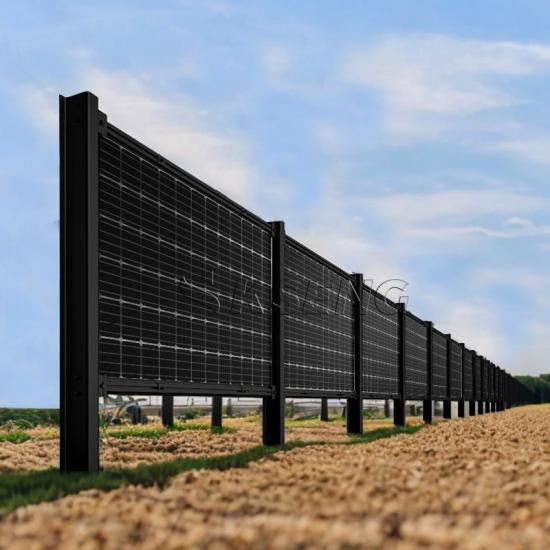 The structural stability of solar farm brackets is crucial for maintaining the efficiency and safety of solar installations. These brackets are engineered to withstand harsh weather conditions, ensuring that solar panels remain stable and secure even in the most challenging environments. Precision designs and premium materials provide superior resistance to wind, snow, and temperature fluctuations, reducing the risk of structural failure and downtime. This reliability is essential for maximizing the energy output of solar farms and ensuring a consistent return on investment.
H2: Cost-Effectiveness and Long-Term Savings
H3: Investing in Sustainable Solutions
Durable mounting systems require minimal maintenance and have a longer lifespan, reducing the need for frequent repairs or replacements. This translates to lower operational costs over the life of the solar installation, making the investment more cost-effective. Additionally, by ensuring optimal panel alignment and stability, these brackets maximize energy output, further reducing overall energy costs and improving the project's profitability.
H2: Environmental and Sustainability Benefits
H3: Supporting Renewable Energy Goals
The structural stability of solar farm brackets is crucial for maintaining the efficiency and safety of solar installations. These brackets are engineered to withstand harsh weather conditions, ensuring that solar panels remain stable and secure even in the most challenging environments. Precision designs and premium materials provide superior resistance to wind, snow, and temperature fluctuations, reducing the risk of structural failure and downtime. This reliability is essential for maximizing the energy output of solar farms and ensuring a consistent return on investment.
H2: Cost-Effectiveness and Long-Term Savings
H3: Investing in Sustainable Solutions
Durable mounting systems require minimal maintenance and have a longer lifespan, reducing the need for frequent repairs or replacements. This translates to lower operational costs over the life of the solar installation, making the investment more cost-effective. Additionally, by ensuring optimal panel alignment and stability, these brackets maximize energy output, further reducing overall energy costs and improving the project's profitability.
H2: Environmental and Sustainability Benefits
H3: Supporting Renewable Energy Goals
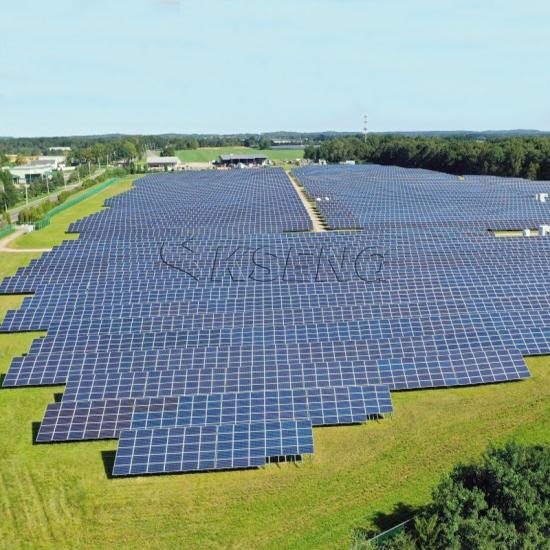 High-quality solar mounting brackets contribute to broader environmental goals by extending the lifespan of solar installations. These brackets are designed to provide long-lasting support, ensuring that solar farms operate efficiently over extended periods. This aligns with the principles of renewable energy and supports a more sustainable future.
Conclusion
In summary, solar farm mounting brackets are essential for ensuring the long-term durability and stability of large-scale solar installations. They provide robust support, enhance structural stability, and contribute to cost-effective and sustainable energy solutions.
High-quality solar mounting brackets contribute to broader environmental goals by extending the lifespan of solar installations. These brackets are designed to provide long-lasting support, ensuring that solar farms operate efficiently over extended periods. This aligns with the principles of renewable energy and supports a more sustainable future.
Conclusion
In summary, solar farm mounting brackets are essential for ensuring the long-term durability and stability of large-scale solar installations. They provide robust support, enhance structural stability, and contribute to cost-effective and sustainable energy solutions.



 IPv6 network supported