Urban areas around the world are experiencing rising temperatures due to rapid development and increased use of concrete, asphalt, and metal surfaces. This phenomenon is known as the urban heat island (UHI) effect, where cities become significantly warmer than surrounding rural areas.
One effective and increasingly popular solution to this problem is the use of solar carport systems. Beyond generating clean energy, solar carports play an important role in reducing surface heat buildup in parking areas and improving urban microclimates.
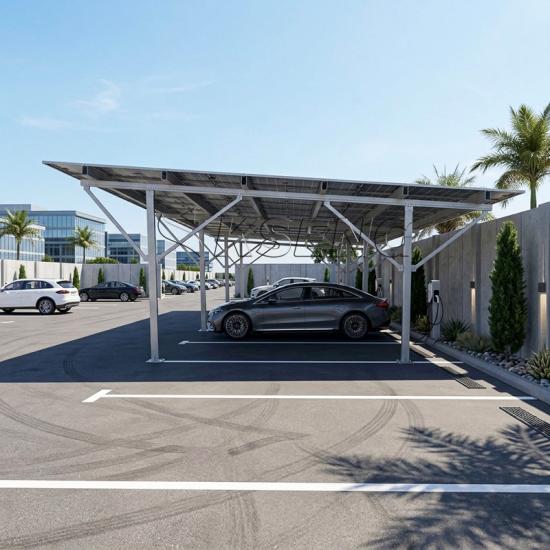
What Is the Urban Heat Island Effect?
The urban heat island effect occurs when natural land is replaced with heat-absorbing materials such as:
● Asphalt roads
● Concrete parking lots
● Building rooftops● Metal infrastructure
These materials absorb and retain heat during the day and release it slowly at night, causing higher overall temperatures in cities.
Key impacts include:
● Increased energy consumption for cooling
● Reduced outdoor comfort
● Higher air pollution levels● Negative environmental and health effects
How Solar Carports Help Reduce Heat Buildup
Solar carport mounting systems provide physical shading over parking areas. This simple design change significantly reduces direct sunlight exposure on paved surfaces.
Key effects include:
● Lower surface temperature of asphalt and concrete
● Reduced heat absorption during daytime
● Less heat radiation back into the surrounding air● Improved thermal comfort in parking areas
1. Shade Creation Over Large Parking Areas
Parking lots are major contributors to urban heat islands because they are large, exposed, and dark-colored surfaces.
Solar carports create continuous shading, which:
● Prevents direct solar radiation from heating the ground
● Reduces peak daytime surface temperatures significantly
● Improves overall microclimate conditions
2. Lower Ambient Air Temperature in Surrounding Areas
Solar carports help:
● Reduce heat convection from hot asphalt
● Minimize thermal radiation into nearby buildings
● Improve airflow comfort at pedestrian level
3. Reduction of Air Conditioning Demand in Nearby Buildings
Heat islands increase cooling demand in commercial and residential buildings. By lowering local temperatures, solar carports indirectly reduce energy consumption.
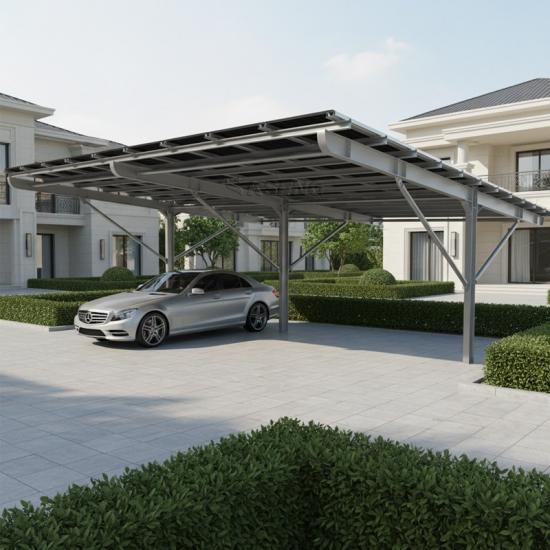
Benefits include:
● Lower electricity usage for air conditioning
● Reduced peak energy load during hot seasons
● Improved building energy efficiency performance
4. Combination of Energy Generation and Cooling Benefits
Unlike traditional shading structures, solar carports serve a dual purpose:
● Generate renewable electricity through solar panels
5. Improved Urban Sustainability and Green Infrastructure
Solar power carports are increasingly integrated into smart city and sustainable urban development strategies.
They contribute to:
● Reduced carbon emissions
● Increased renewable energy adoption
● Improved urban environmental quality● Support for ESG and green building certifications
6. Enhanced Comfort for Pedestrians and Drivers
In addition to environmental benefits, solar pv carports improve human comfort in parking areas.
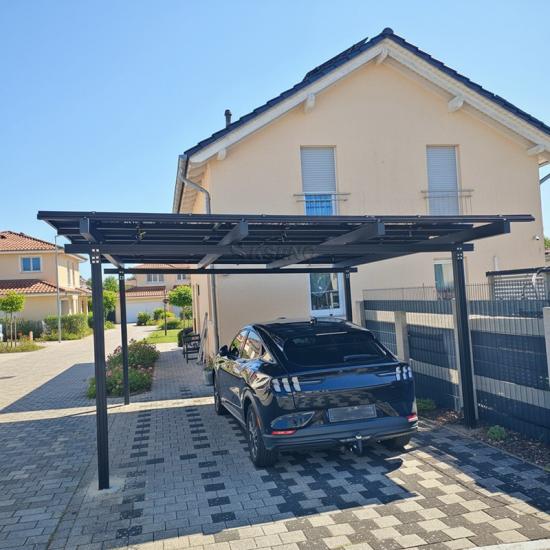
They provide:
● Cooler parking conditions in summer
● Reduced heat exposure when entering or exiting vehicles
● Better pedestrian experience in large parking facilities
7. Sustainable Use of Existing Urban Space
One of the biggest advantages of solar carports is that they do not require additional land.
Instead, they:
● Utilize existing parking infrastructure
● Avoid new land development impacts
● Maximize energy and environmental benefits per square meter
This makes them highly suitable for dense urban environments.
Conclusion
Solar carports offer a practical and effective solution to reduce urban heat island effects while simultaneously generating renewable energy. By providing shade over large parking areas, they lower surface and air temperatures, improve energy efficiency, and enhance urban comfort.
As cities continue to grow and face rising temperature challenges, solar carport systems will play an increasingly important role in building cooler, more sustainable urban environments.
Tel : +86 0592-5795673
Email : info@xmkseng.com
Factory Add : No.1, Xinshiqiao Rd., Xiang‘an Dist., Xiamen, Fujian, China.
Office Add : 11&12F, Huixin Wealth Centre, No. 891, Fanghu North 2nd Rd., Huli Dist., Xiamen, Fujian, China.



© 2026 Xiamen Kseng Metal Tech Co Ltd.All Rights Reserved.
 IPv6 network supported